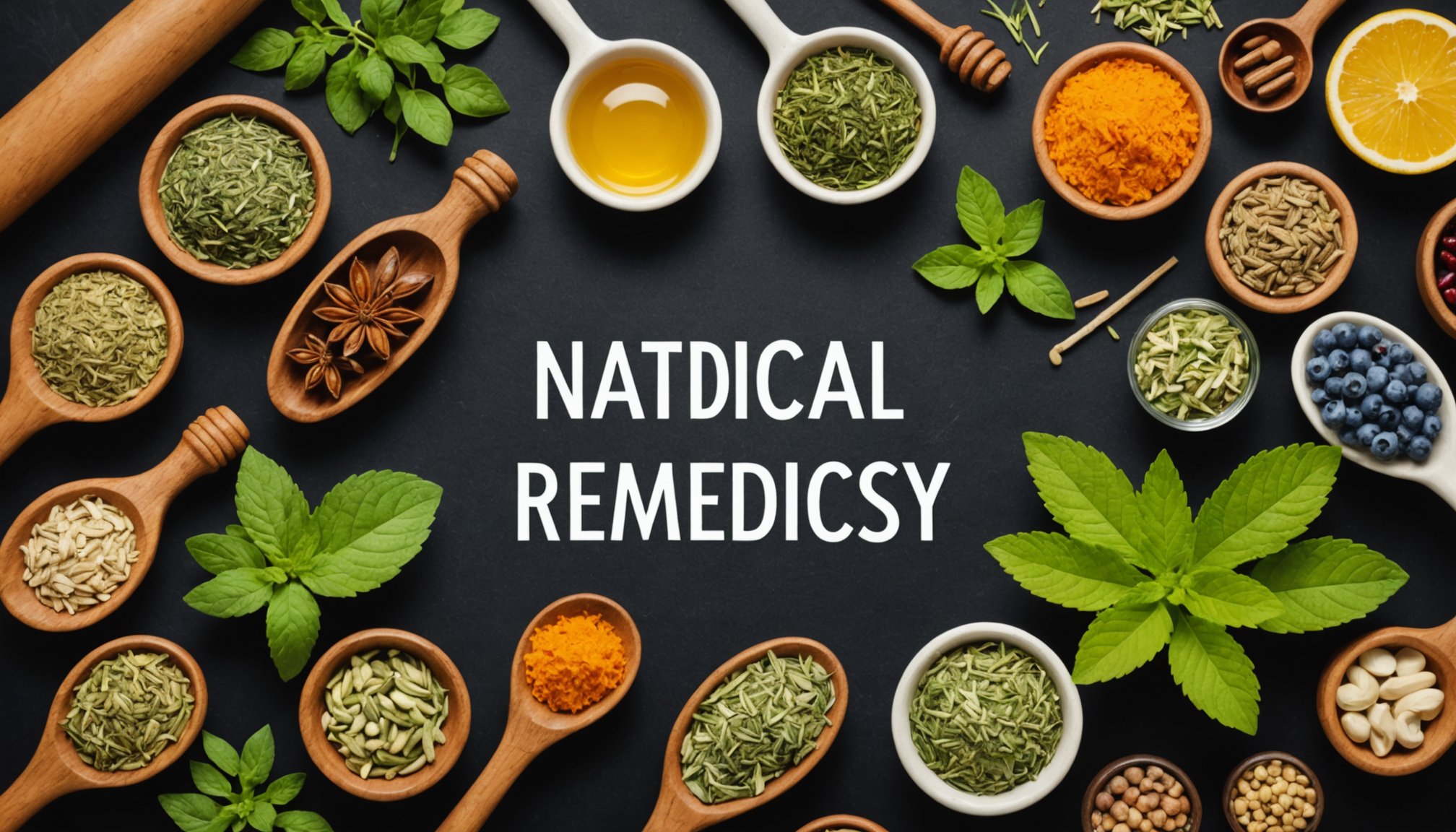
“Natural remedies for potency”: options and how to choose the right one
Disclaimer: This article is for informational purposes only and does not replace professional medical advice, diagnosis, or treatment. Potency issues (including erectile difficulties, reduced libido, or stamina concerns) can be linked to underlying medical, psychological, or hormonal conditions. Always consult a qualified healthcare provider before starting supplements, herbs, or lifestyle interventions.
Who needs it and what goals are common
Interest in natural ways to support potency is common among men of different ages and backgrounds. Readers often include:
- Men experiencing mild or occasional erectile difficulties
- Professionals under chronic work stress (Business, Small Business owners)
- Men seeking preventive or lifestyle-based solutions rather than medication
- Those looking to improve confidence, vitality, or sexual satisfaction
Typical goals include improving blood flow, supporting testosterone balance, increasing energy and libido, reducing anxiety, and enhancing overall sexual health without relying solely on prescription drugs.
Options for natural potency support
Lifestyle changes (sleep, exercise, habits)
When used: As a foundation for men with sedentary lifestyles, stress, or poor sleep.
- Pros: Improves overall health, cardiovascular function, and hormone regulation.
- Cons: Requires consistency and time; results are gradual.
- Limitations/risks: Overtraining or extreme dieting can worsen symptoms.
- When to discuss with a doctor: If erectile problems persist despite healthy habits.
Related reading: How lifestyle choices affect long-term performance
Herbal remedies and plant extracts
When used: For men seeking traditional or alternative approaches.
- Pros: Popular options like ginseng, maca, and tribulus have historical use.
- Cons: Evidence quality varies; effects are modest.
- Limitations/risks: Possible interactions with medications; inconsistent dosing.
- When to discuss with a doctor: Before combining herbs with prescription drugs.
Nutrition and dietary strategies
When used: When diet quality is poor or nutrient deficiencies are suspected.
- Pros: Supports vascular health and energy (zinc, omega-3s, antioxidants).
- Cons: Requires sustained dietary change.
- Limitations/risks: Excess supplementation may cause imbalance.
- When to discuss with a doctor: If considering high-dose supplements.
Mind–body and stress management approaches
When used: For potency issues linked to anxiety, burnout, or relationship stress.
- Pros: Addresses psychological contributors; improves overall well-being.
- Cons: Less direct physical effect.
- Limitations/risks: Requires time and openness.
- When to discuss with a doctor: If symptoms suggest depression or anxiety disorders.
Natural supplements marketed for male vitality
When used: As a convenient option for busy professionals.
- Pros: Easy to use; often combine multiple ingredients.
- Cons: Marketing claims may exceed evidence.
- Limitations/risks: Quality control varies; some products are unregulated.
- When to discuss with a doctor: Always, especially with chronic conditions.
Large comparison table
| approach |
for whom |
effect/expectations |
risks |
notes |
| Lifestyle changes |
Most men, preventive focus |
Gradual, sustainable improvement |
Low |
Foundation of all other approaches |
| Herbal remedies |
Mild symptoms, curiosity about traditional medicine |
Subtle support |
Drug interactions |
Choose standardized products |
| Diet optimization |
Men with poor nutrition |
Improved blood flow, energy |
Over-supplementation |
Food first, supplements second |
| Stress management |
High-pressure careers, entrepreneurs |
Better confidence, reduced anxiety |
Minimal |
Often underestimated |
| Commercial supplements |
Convenience seekers |
Variable |
Quality concerns |
Check third-party testing |
See also: Comparing wellness strategies for busy professionals
Common mistakes and misconceptions when choosing
- Expecting instant results from natural methods
- Assuming “natural” means completely risk-free
- Ignoring underlying conditions like diabetes or heart disease
- Using multiple supplements simultaneously without guidance
- Relying on marketing rather than evidence
Mini-guide to preparing for a consultation
Before speaking with a healthcare professional, prepare:
- List of symptoms and duration
- Current medications and supplements
- Lifestyle factors (sleep, alcohol, exercise)
- Stress levels and work patterns
- Specific goals and concerns
FAQ
Are natural remedies effective for potency?
They may help with mild issues, especially when combined with lifestyle improvements.
How long does it take to see results?
Most approaches require weeks to months of consistency.
Can these replace prescription medication?
Not always. Moderate to severe erectile dysfunction often requires medical treatment.
Are herbal supplements safe?
Safety varies. Always check quality and consult a doctor.
Do stress and work pressure really matter?
Yes. Chronic stress is a common contributor, especially in Business and Small Business settings.
Should younger men consider natural approaches?
Yes, particularly for prevention and confidence-building.
Where can I learn more about health-focused lifestyle choices?
Explore our Uncategorized wellness resources for practical guides.
Sources
- National Institutes of Health (NIH) – Dietary Supplements and Sexual Health
- Mayo Clinic – Erectile Dysfunction and Lifestyle Factors
- World Health Organization (WHO) – Traditional Medicine Strategy
- Harvard Health Publishing – Men’s Sexual Health